Tuesday, September 8, 2015

Reflections on Camp Hope

By Intern Zoey Ponder

As this summer’s sessions of Camp Hope wind to an end and World Camp begins to prepare for our year-round programming, we all take the time to pause and reflect on our time spent at Camp. I was lucky enough to spend four days at two different camp sessions this year and will forever remember how touching this opportunity has been. 

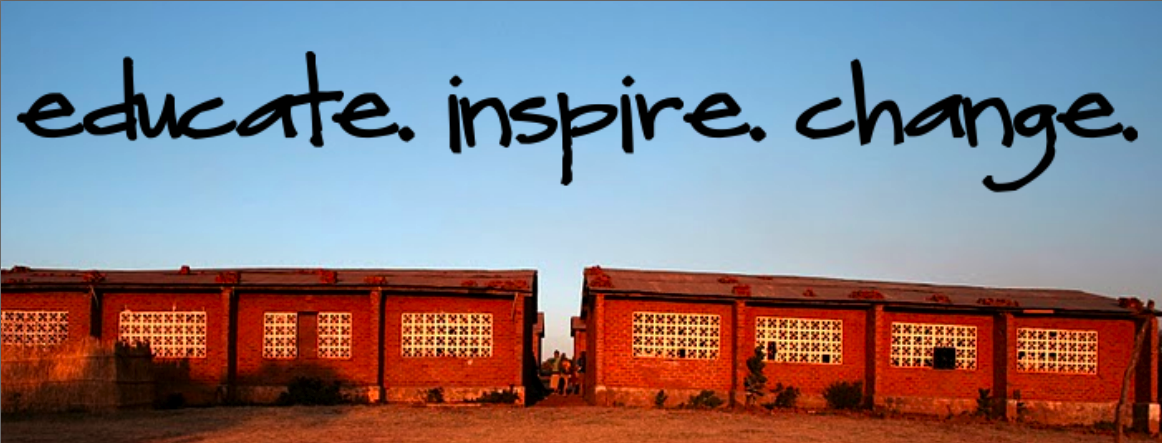
Camp Hope is held in a beautiful setting, sort of off the beaten path about an hour outside of Lilongwe. The campsite lies against the backdrop of amazing rocky peaks and surrounded by quiet villages and farmland. The last fifteen minutes of the drive in is filled with kids yelling “azungu” (a friendly nickname for someone with light skin) and waving at the car as we bounce up and down on the dirt road. The campsite itself has large boys’ and girls’ dorm rooms as well as a huge dining hall in the center. Off to the right of the dorms and dining hall is a soccer field and the main hall and classrooms are over on the far side of that. 

Meal times are some of the silliest times. Kids have three meals and three snacks each day to help teach the value of nutritious eating and to provide valuable nutrition they may not receive at home. It was at Camp Hope that I tried Malawian food for the first time. Everyone is encouraged to eat as much as they want, as it was explained to me by an enthusiastic camper, “This is Africa, EAT EVERYTHING!” Meal times are also utilized to teach campers important food groups, staying hydrated and to celebrate the “Super Campers”. Super Campers are campers who are celebrated for their accomplishments at Camp during “Camp Kawawa” - which is essentially a big party of singing and dancing and giving out awards for any number of accomplishments that can earn one the “Super Camper” certificate. 

Outside of mealtimes the day is filled with loads of activities, special classes on all sorts of topics from the stigma attached to HIV to arts, crafts and campfires. I was very impressed to see the kids memorizing their ART (antiretroviral therapy) treatments and pill names so they can advocate for themselves and understand their treatment. Kids at Camp Hope get the chance to learn a lot about HIV and how they can help keep themselves healthy, like the importance of taking your treatment each day and the value of nutritious food. 

Camp HopeOne of my favorite activities was the creation of a goals book. Campers got a picture of themselves taken in front of the Camp Hope sign, which many of them were very excited to share with me—and let me tell you these kids know how to strike a pose! Inside their books, they are encouraged to write what they want to achieve with their lives. Many of them wrote professions like a nurse or an accountant. They then wrote how to achieve these goals, what might stand in their way and how to overcome those obstacles. It was amazing to see kids who very seriously wanted to figure out how to achieve their goals. They were even asking me how to reach their goals and wanting me to share my goal book to them. It was an honor to have them want to share their books with me. 

Camp Hope really is a wonderful place for these kids. I saw so many of them laughing, holding hands, dancing together and sharing stories of struggle and hopes of a very bright future. These kids face a lot every day, but they are brave. Together, I saw them standing tall, whether it be dancing on the stage at Stage Night or in the lunch room receiving their “Super Camper” award. I am very proud of everyone who took part in this year’s Camp Hope and I can only hope that Camp Hope will continue to reach more kids each and every year.

Monday, August 31, 2015

A Hopeful Future

HIV was first reported in Malawi in 1985. Since then, the spread of HIV has reached 10.8% of the adult population. “Malawi has a generalized HIV epidemic. HIV prevalence among persons aged 15 to 49 years has been declining steadily from 16.4% in 1999 to 11.8% in 2004 and then 10.6% in 2010.” Not only does the disease affect the adult population, but about 170,000 children also live with HIV (Malawi AIDS Response Progress Report 2015).

HIV Prevention
Photo: AVERT
An HIV prevention poster in Mzimba, Malawi.

Counsellor explaining about HIV testing and treatment on World AIDS Day, Malawi - See more at: http://www.avert.org/hiv-aids-malawi.htm#sthash.qndVapSH.dpuf
Increased prevention work and education over the past decade attributed to the decline in new cases. Although, Malawi’s infrastructure and economic standing make it difficult to truly erase it from epidemic status. Recent years indicate positive steps in the right direction, but prior decades of poor governance and constrictive bureaucracy left behind a lot of work to be done.

HIV prevention and access to antiretroviral drugs are the focuses to curbing the spread of the disease. Initiatives currently implemented include: expanding voluntary HIV testing and counseling (HCT/ VCT), prevention of mother-to-child transmission services, condom promotion and distribution, voluntary medical male circumcision (VMMC), blood safety measures, mass media campaigns, and life skills education (LSE) for young people (AVERT).

Many non-governmental organizations (NGOs) collect high volumes of data in their hands-on work to identify the most common causes of transmission and the most affected demographics. Organizations such as the World Bank, the Global Fund, the World Health Organization, the President's Emergency Plan for AIDS Relief (PEPFAR), and the Joint United Nations Programme on HIV and AIDS (UNAIDS) have all taken an active role in funding and planning to decrease incidence and increase awareness in Malawi (AVERT).

HIV/AIDS Prevention
Photo: AVERT
Counselor explaining HIV testing and treatment on World AIDS Day, Malawi.
UNAIDS, specifically, leads the way in analyzing target goals to catalyze initiative to eliminate HIV/AIDS. Their plan for 2015 has been very successful. The target goal for 2015, as set out in the Millennium Development Goal 6 of 2000, has been surpassed. This year, UNAIDS “celebrates the milestone achievement of 15 million people on antiretroviral treatment—an accomplishment deemed impossible when the MDGs were established 15 years ago… [Worldwide,] new HIV infections have fallen by 35% and AIDS-related deaths by 41%” (UNAIDS).

Malawi’s steadily improving situation reflects the larger global picture, but meeting goals requires working within localized communities. Greater awareness and education will lead to a better perspective on HIV prevention in Malawi. For example, many adults do not get tested, but simply assume they are living with HIV because of its prevalence. Unsafe sex is justified by choosing partners based on their societal status or perceived cleanliness. Even if precautions are taken, condom use and safe sex practices are rarely being implemented on a consistent basis. Education, access to testing sites, and decreased stigmatization of testing will be key factors in the next five years in continuing to improve the state of Malawi’s HIV epidemic.

Looking to the future, UNAIDS’s highlights its target goals for 2020, “90% of people living with HIV will know their HIV status, 90% of all people with diagnosed HIV infection will receive sustained antiretroviral therapy, and 90% of all people receiving antiretroviral therapy will have viral suppression” (UNAIDS 90-90-90).

By World Camp Intern Rachael Thorn

Thursday, August 27, 2015

Loving the Warm Heart of Africa

By World Camp Intern Zoey Ponder

It is my eleventh day here in Malawi and I am growing to love “ The Warm Heart of Africa” more and more. In just 11 days, I have experienced two trips to Camp Hope as well as adventures to Dedza and around Lilongwe. Lilongwe is the capital of Malawi and home to the World Camp house, which has quickly come to feel like home to me. Each time we return, I am always excited to get back to our evenings of dinner and chatting and days full of trips to various markets and other spots around the city.

Everywhere you go, there are vendors along the side of the road with all sorts of goods from sugar cane to woven furniture and everything in between. On the trip home from Camp the other day we even saw members of the Gule Wamkulu, a secret cult that performs dances at ceremonies, walking along the roadside.

One of my favorite parts of coming “home” is the men who work around the house. John is the House Manager and one of my favorite people to chat with. Each morning when I wake up John can usually be found in the kitchen and makes my mornings a delight (which for me is no easy task) his big smiles and mannerisms can cheer up anyone’s day; not to mention that he makes one mean shepherd’s pie! Ngoni is the Grounds Manager and he is always bringing in beautiful eggplant and tomatoes that he grows in the yard and greeting us at the gate with the enthusiasm of seeing a much missed friend. He makes coming home feel like a celebration regardless of how long I’ve been gone.

During our trip to Dedza and Camp you get to drive past some beautiful scenery, mountains which stick up out of the ground so sharply it is as if someone dropped them down from the sky. Baobab trees that stand broad and tall against the backdrop of villages with tall grass fences and roofs. Kids drive cattle carts alongside the road and roving bands of goats stress Emily out by always lingering too close to, if not in, the road.

In our trip to see the ancient rock paintings near Dedza we got to hike up one of the mountains to a cave with 2,000 year old paintings of animals and people on the ceiling. There is a chameleon, a duck, a person, a lion, a bull as well as other animals painted in black and white and still very visible after all this time. On the way back down the mountain to view even older rock art, we even saw some monkeys hanging out in nearby trees.

Pygmy Rock ArtCloser to the village, there is rock art done by Pygmies that is 10,000 years old. The Pygmy rock art is red and reaches impressively high up, the Pygmies used ladders or stood on each other’s shoulders to paint all sorts of scenery including a nearly 20ft tall giraffe which was my personal favorite.

The longer I stay in Malawi, the more I see how beautiful this place is. Whether it is the beauty in the culture of kindness or the incredibly cute kids at Camp and everywhere else or in the breathtaking sunsets every evening, I cannot stop marveling at Malawi. In the next few weeks, I have no doubts I will continue being amazed as we travel to the Lake and as we start work on our different programs that will kick off in September and October.